
The Huachuma Foundation
Our Mission
We grow Huachuma in the Sacred Valley and teach what we know about it, so that more of what people drink comes from plants that were planted.
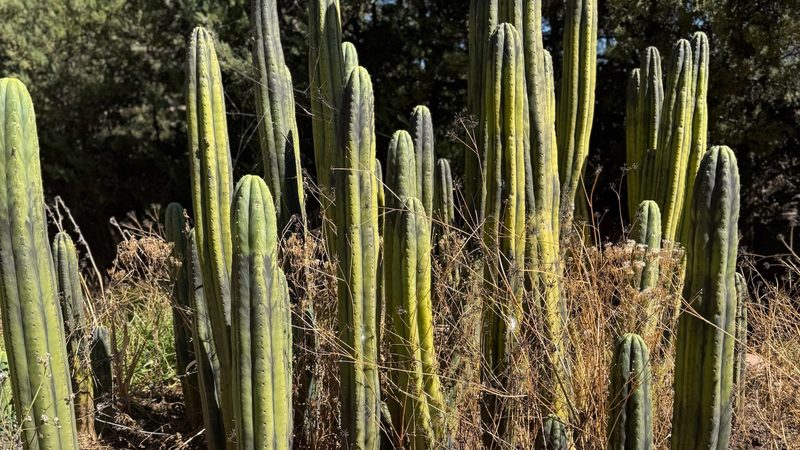
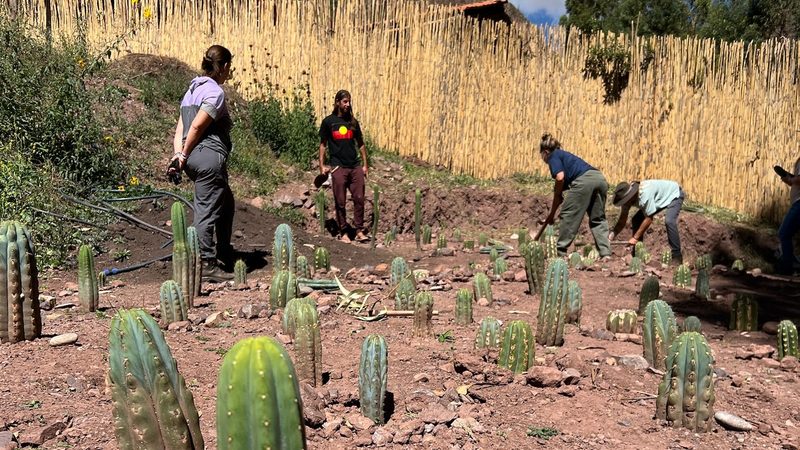
Several hundred Huachuma on a terraced hillside
What Huachuma is, and where it grows wild
How to start a cactus from a cutting
Six months and six teachers, from January 2027
01
Why We Plant
Huachuma grows across the Andes and has been used as medicine there for thousands of years. Interest in it is now worldwide, and most of what people drink still comes from wild stock in Peru.
A columnar cactus that is cut takes years to be replaced, so the useful thing to do is not complicated: plant more of it where it is being used, and start now.
02
A Different Cactus the Sacred Valley
The Sacred Valley has become the center of the world’s interest in Huachuma. People fly to Cusco, travel down the valley, and sit in ceremony there.
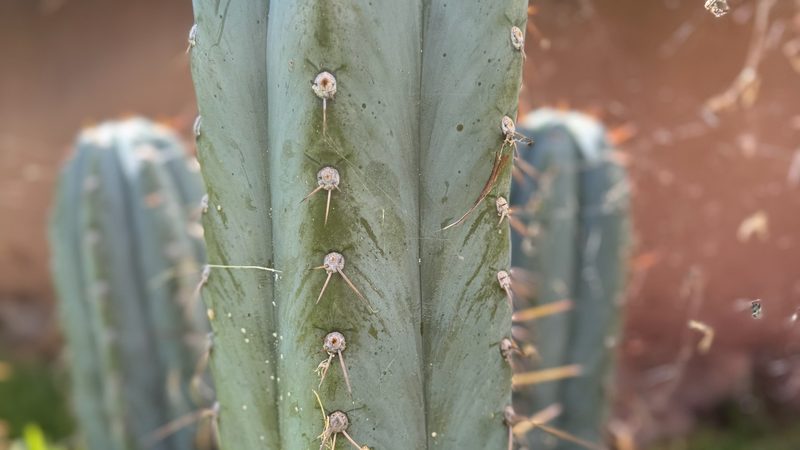
Huachuma does not grow there. There is cactus on those hillsides, and many visitors take it for what they are drinking, but it is largely Trichocereus cuzcoensis and its relatives: the same family, handsome, and not the plant that is drunk. It carries some mescaline, far below the medicine cacti and nothing like enough for a ceremony.
So the medicine served in the valley is brought in from the regions of northern Peru where these cacti do grow wild, hundreds of kilometers away, and it is largely cut from wild plants.
Ogunbodede et al., Journal of Ethnopharmacology, 2010.
A garden in the valley itself shortens that journey to nothing.
03
What we do
Our Three Pillars
Preservation
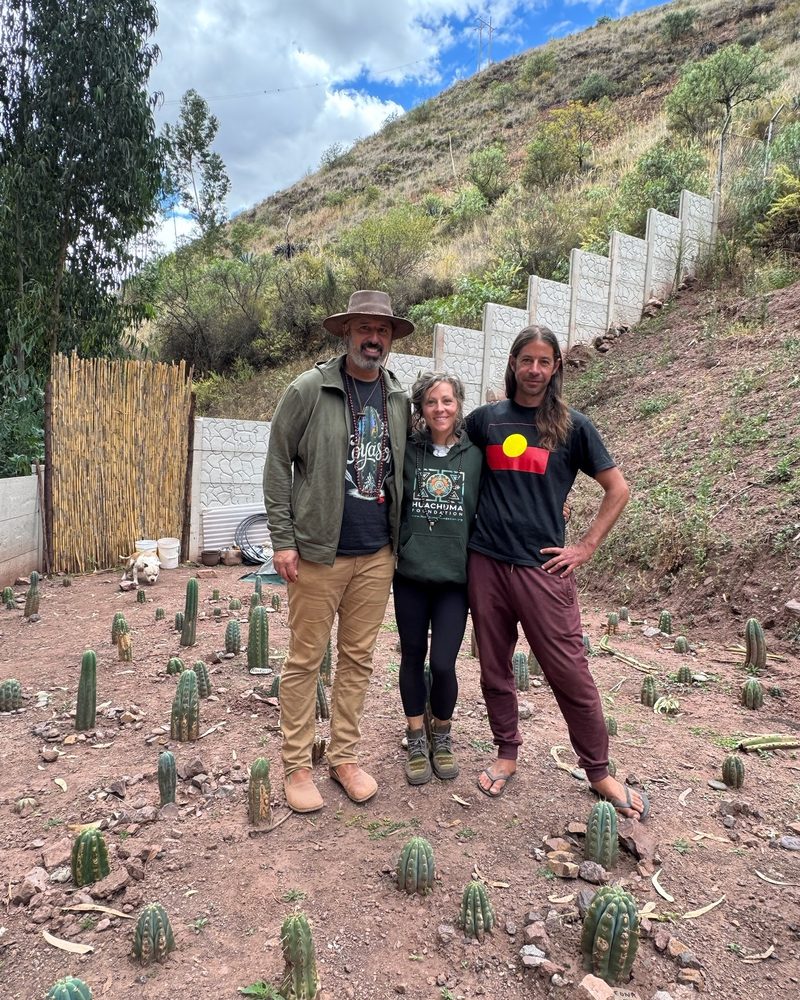
We support preservation efforts in Peru at our garden at Taray, several hundred Huachuma in the ground on a terraced hillside, cared for by people who live beside them. We are actively looking for other projects to support.
Education
We connect with leaders in the field and share what we know openly: what this plant is, a podcast, a library of resources, and Huachuma Wisdom, enrolling now for January 2027. We consider ourselves students of this plant and of those who came before.
Community
We are cultivating a worldwide community of people who love this plant, want to grow, and want to connect. It gathers online each month, wherever its members are.
04
Our Garden in the Sacred Valley
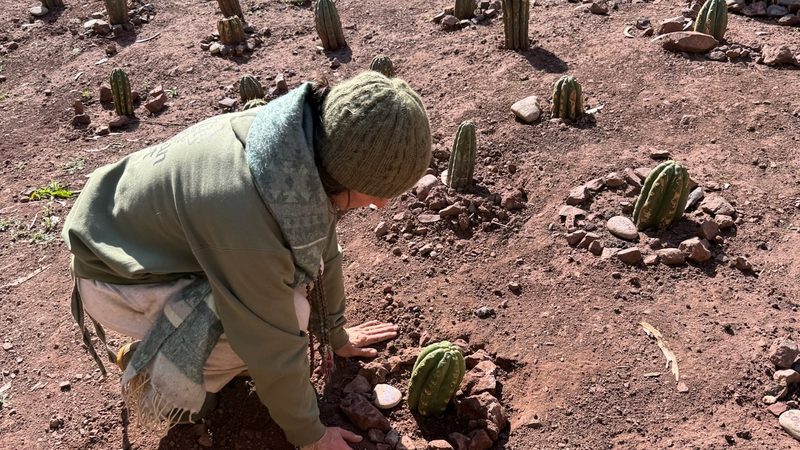
The Taray Preservation Garden was established with the Huachumero Miguel Mendiburu, who has tended these plants for decades. Several hundred cacti are in the ground on a terraced hillside and planting continues.
Every cactus that comes out of our ground is one that does not have to be brought down from the north, and less pressure falls on the wild stands that other people rely on.
Other organizations came to this before us, some of them years ago, and some of their gardens are more established than ours.
One garden near the temple at Chavín has been planted for about twenty years and holds thousands of mature cacti in precise rows. Miguel saw it through the trees from inside the temple, went over to look, and came back with the idea for ours.
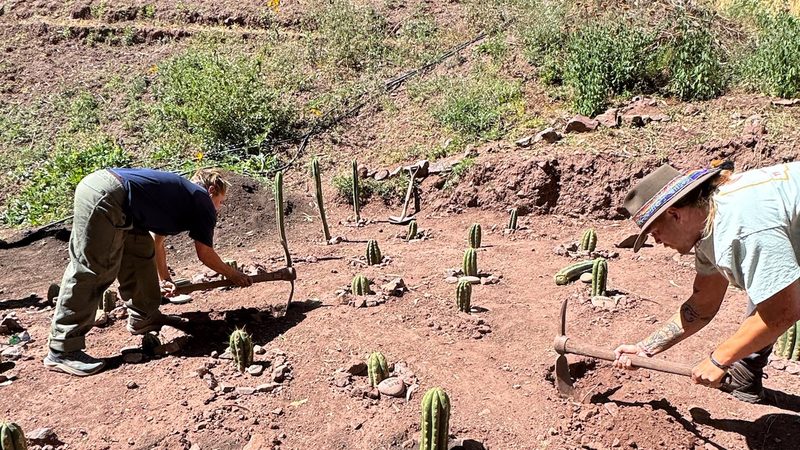
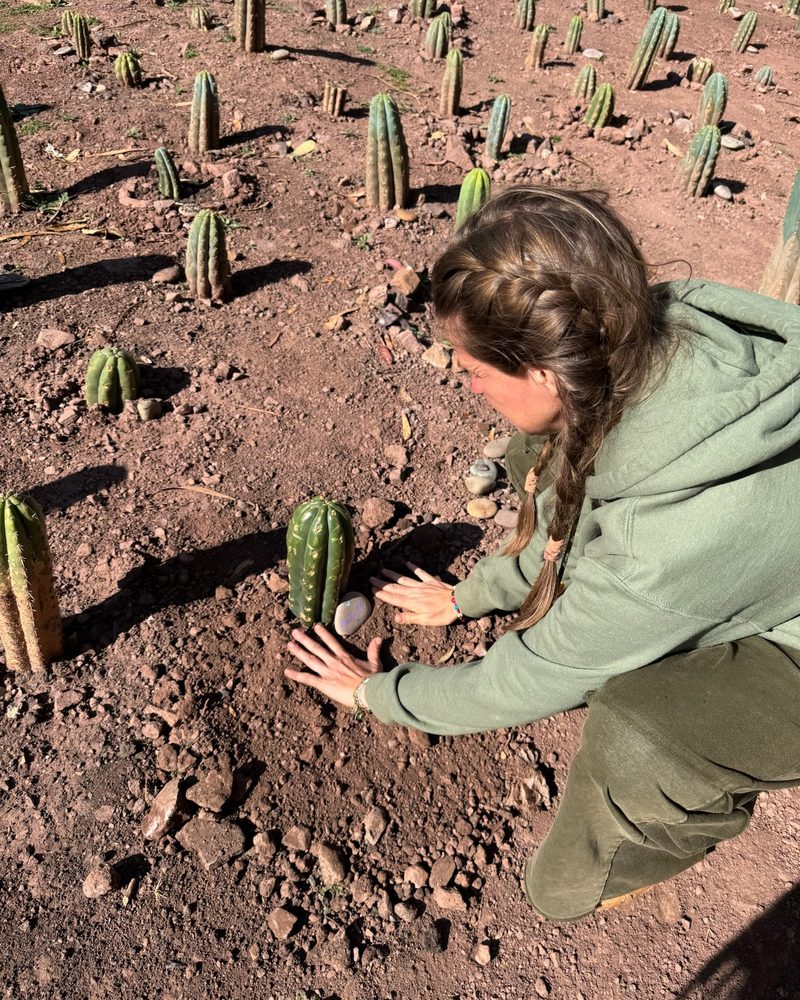
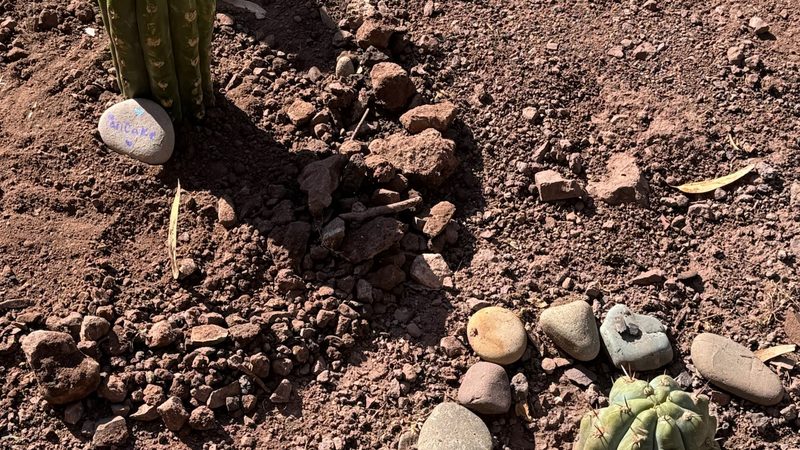
Donations pay for the remaining build out of the garden, the development of the hillside, new cactus, and the ongoing care of what is already planted.
05
A Slow Engine how a garden grows
Cacti multiply generously. One plant puts out arms, each arm becomes a plant, and each of those does the same. One grower turned twenty five mother plants into more than three hundred in a back garden. A garden is not a static thing that is funded once.
Growing them takes years, which is the honest answer to what a donation does today. A cactus planted this season will not be medicine for a long time, and that is the point.
06
More Than Mescaline
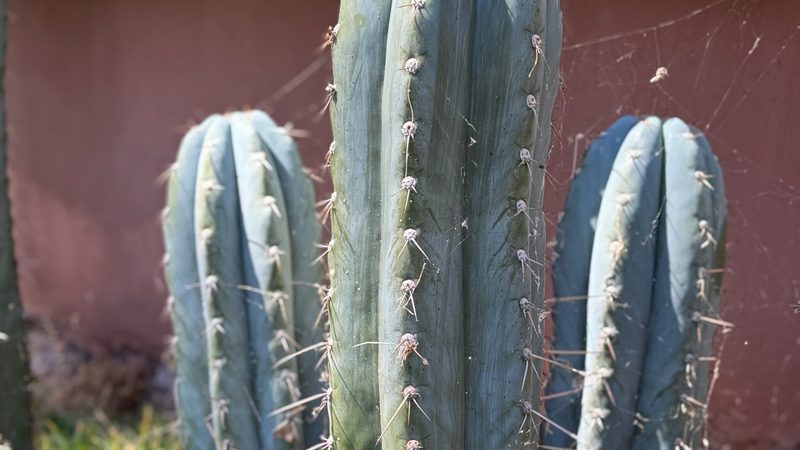
In the United States these cacti are increasingly prized, named and traded by how much mescaline they are thought to hold. The strongest is treated as the best and the rest as lesser. We think that is backwards. Mescaline is one alkaloid among many, and a plant is not the sum of what can be got out of it.
The tradition around this plant is not decoration either. Huachuma has been in ceremonial use in the Andes for at least three thousand years, and the way a ceremony is held is most of what makes it a medicine rather than a compound.
07
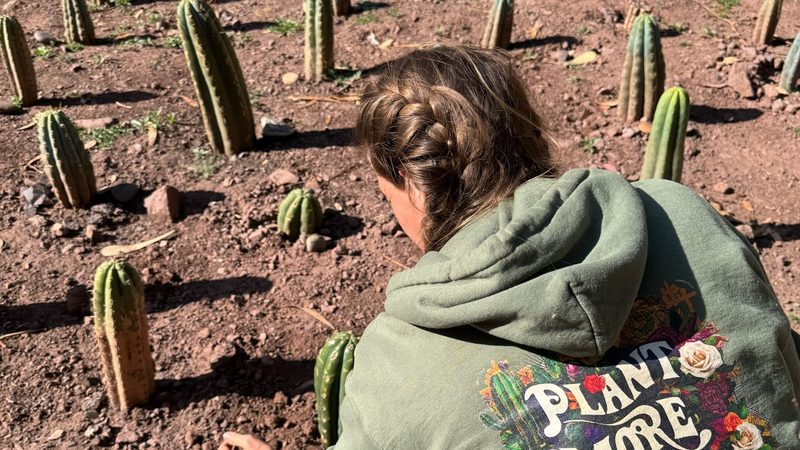
Plant More, Worry Less the slogan
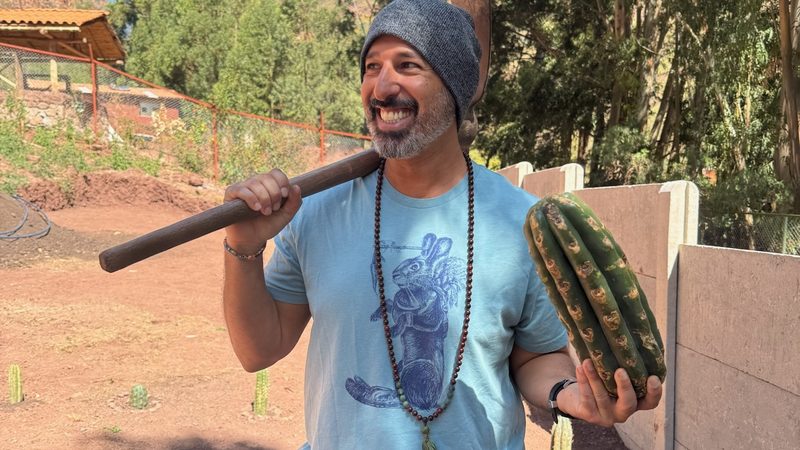
Miguel came to ceremony in a hat that said Pray More, Worry Less. He is not religious, and prayer in his sense is not a church word: it means whatever a person points their attention at. So when you worry about something, you are praying for the thing you do not want.
When we came to make shirts for him, the phrase asked to be changed by one word. Worrying is a poor way to pray, and the answer to worrying about this plant is to put one in the ground.
08
What We Ask
Not, first of all, money.
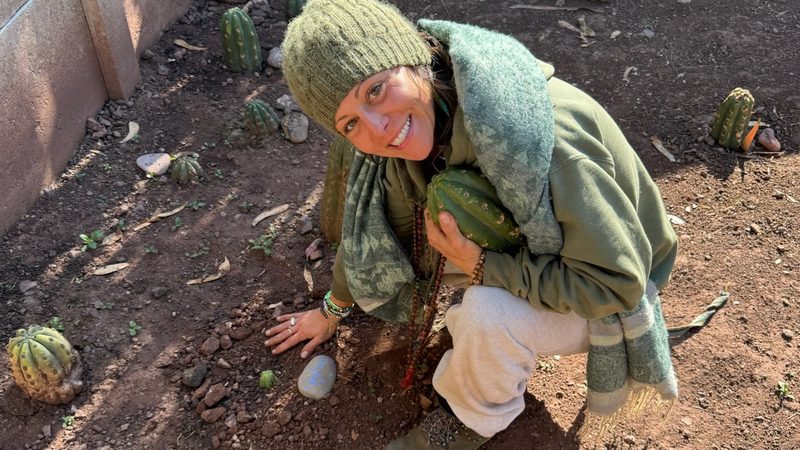
- Grow one. In the United States it is legal to cultivate every one of these species as an ornamental garden plant, and there are communities of growers who will help you start.
- Ask where yours came from. Sellers who ship dried cactus rarely say which hillside it was cut from, or whether the person who cut it was paid fairly.
- Use what you already have. Cactus that has been cut should not be thrown away. Use it well.
09
Cactus Friends who this is for
Grow one plant and care how it does, and you are exactly who this Foundation is for. Some of the people closest to these cacti connect through the growing.
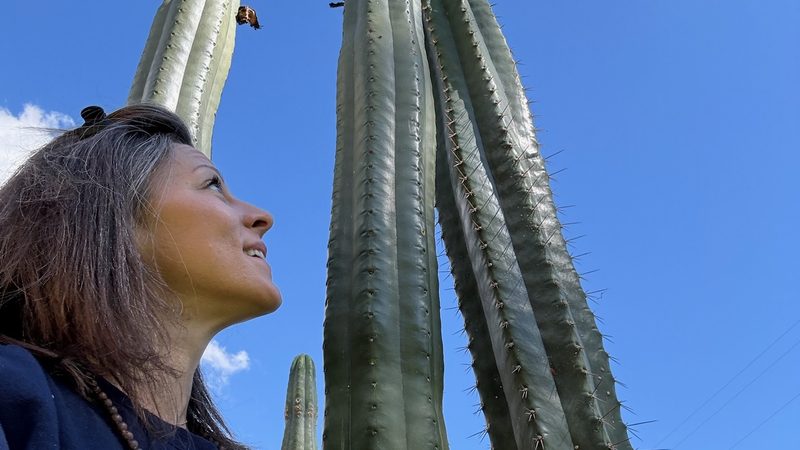
“We do want to spread the prayer. There’s inherent goodness that comes from being around this cactus and from making these prayers. And a lot of it is just connection, building connection with our world, ourselves, and other people. And it’s the cactus friends, basically.”
Hamid Jabbar
10
Who We Are
The Huachuma Foundation, Inc. is a registered 501(c)(3) public charity in Arizona, recognized by the IRS in December 2025. The idea was first said out loud in 2018 and took years to become anything. It was started by three people and it works because of more than three.
Plant With Us take part
 See the Garden